

Who treats you, and how
- Who
- Dr Manisha Gupta, Principal Dentist. She examines you herself and carries out the treatment.
- How
- Your teeth are checked and a mould is taken. For a night splint, your jaw is examined too.
- The mouthguard or splint is made on that mould, then fitted and adjusted at a second visit.
- The fit and the wear are checked at your check-ups.
- Visits
- Two.
- Time
- First visit approximately 15 minutes to take the mould. Second visit 15–20 minutes for fitting, adjustment and instructions.
- Anaesthetic
- Not required.
Who should wear a mouthguard?
Anyone who plays a sport where the face can be hit by a ball, a stick or another player, such as hockey, cricket, football, boxing and martial arts. This applies to children as well as adults.
Studies of contact sports find fewer injuries to the teeth and mouth among players who wear a mouthguard.
How is a mouthguard made?
Your dentist checks your teeth and takes a mould of them. The mouthguard is made on that mould, so it fits closely and stays in place while you play.
At a second visit the fit is checked and adjusted.
How do I look after a mouthguard?
Rinse it in cold water after each use and keep it in its box. Keep it away from heat, which can change its shape.
Bring it with you to your check-ups so the fit can be checked. Children need a new one as their teeth and jaws grow.
How do I know if I grind my teeth?
Many people grind or clench their teeth in their sleep without knowing it. Signs include worn or chipped teeth, sensitive teeth, an aching jaw or a headache on waking, or a partner who hears the grinding.
Your dentist can often see the wear on your teeth at a check-up.
What does a night splint do?
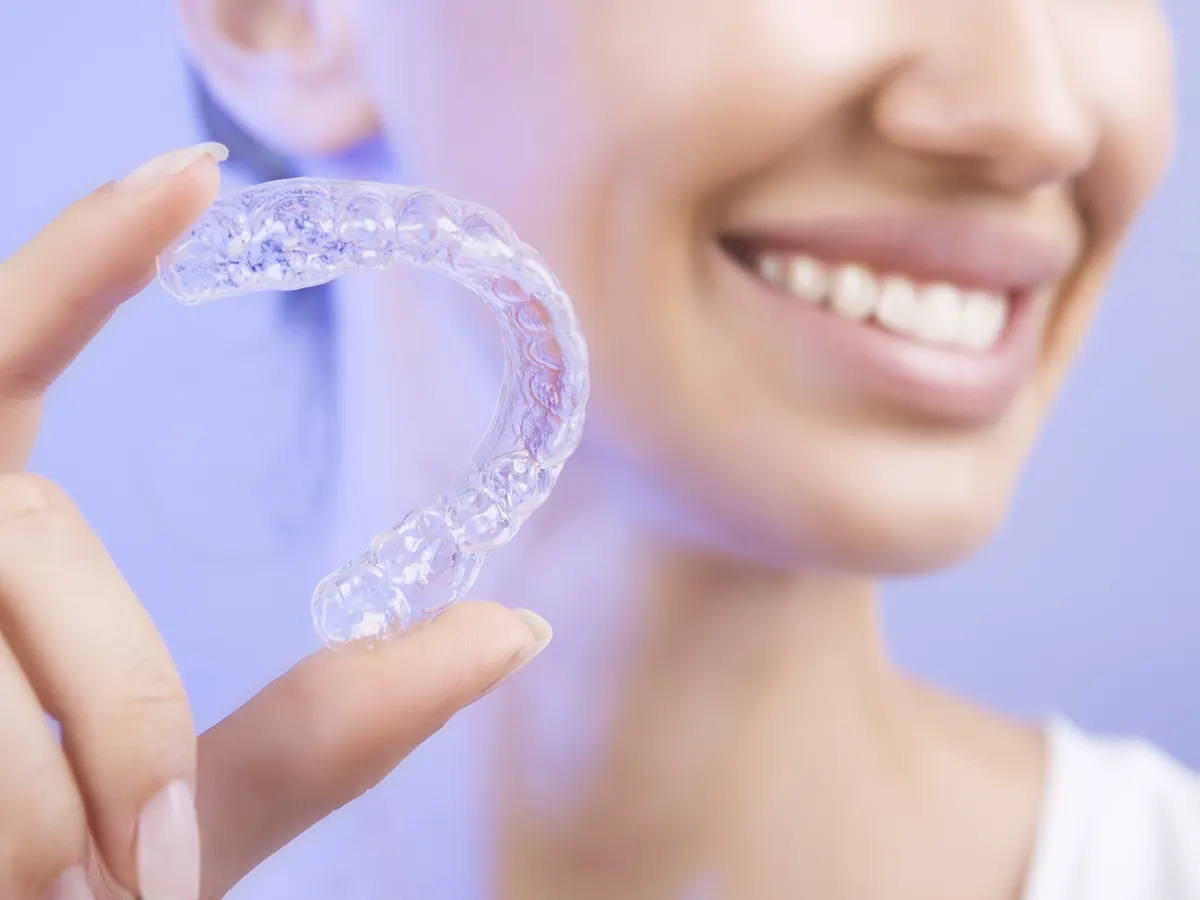
A night splint does not stop the grinding. It covers the teeth so that they bite on the splint and not on each other.
Your dentist will review how you are getting on and advise you if something else is needed.
How is a night splint made?
Your dentist examines your teeth and jaw and takes a mould of your teeth. The splint is made on that mould.
At a second visit it is fitted and adjusted so that it is comfortable and your teeth meet it evenly.
How do I look after a night splint?
Clean it with a toothbrush and cold water each morning and keep it in its box. Bring it with you to your check-ups so the fit and the wear can be checked.
Sources: where the information on this page comes from (2 sources).